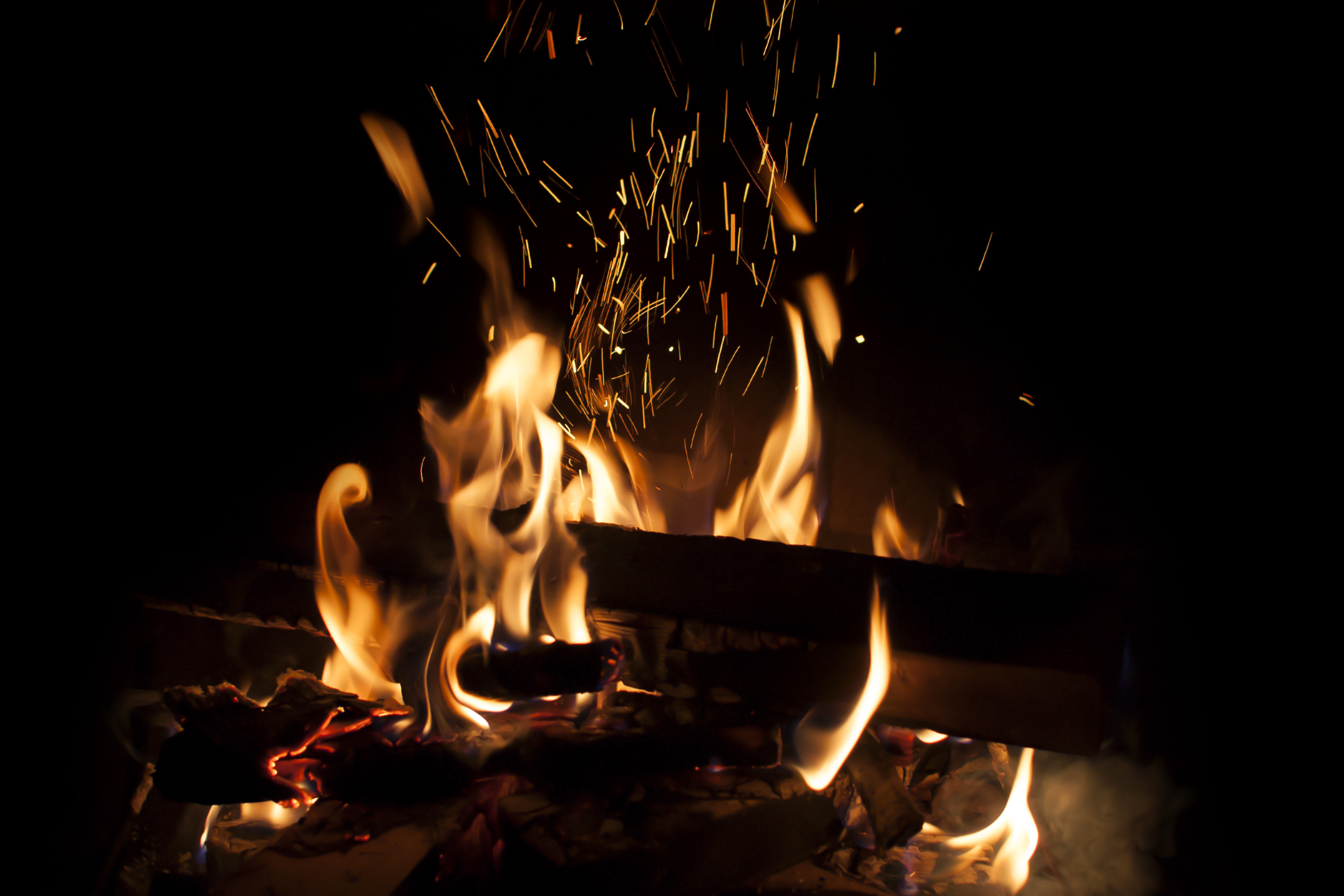
Annual Chimney Inspection: What to Check and When
A step-by-step overview of Level 1, Level 2, and Level 3 chimney inspections, WETT standards in Canada, and what certified technicians look for each season.
Read article →Reference material on chimney inspection schedules, creosote prevention, firewood selection, and the safe operation of wood-burning appliances — written for Canadian climate conditions.
Guides
Detailed, topic-specific material covering the key areas of hearth maintenance and firewood management in Canada.
A step-by-step overview of Level 1, Level 2, and Level 3 chimney inspections, WETT standards in Canada, and what certified technicians look for each season.
Read article →
Which hardwood species work best in Canadian climates, how long to season firewood in high-humidity regions, and how to store it correctly.
Read article →
Proper loading technique, air control, clearance distances, carbon monoxide detector placement, and what to do during a chimney fire.
Read article →Key Topics
Creosote accumulation is the primary cause of chimney fires in Canada. Understanding its three stages and how burn temperature affects buildup rate is the first step in prevention.
Wood Energy Technology Transfer (WETT) sets the inspection and installation standards for solid-fuel-burning systems across Canadian provinces. Homeowners insurance often requires a WETT inspection report.
Freshly cut wood typically contains moisture levels above 50%. Burning unseasoned wood produces excessive smoke, increases creosote deposits, and reduces heat output significantly.
CO detectors are required by the Ontario Fire Code and similar provincial regulations within 5 metres of sleeping areas in any dwelling with a wood-burning appliance.
Installation of solid-fuel-burning appliances in Canada must comply with CSA B365, the national standard covering clearances, chimney connections, and combustion air requirements.
Canadian heating seasons typically run from October through April. Chimney sweeping is most effective when done before the season begins, once the previous year's ash has cooled completely.
Contact
This site does not offer professional advice. For questions about content, corrections, or general inquiries, use the form below. For safety-related emergencies, contact your local fire authority.
Email: info@oakhearthlane.org
Response time: 3–5 business days